Search Tyre
September 21, 2026
Pirelli vs Bridgestone Tyres: Which One Is Better?
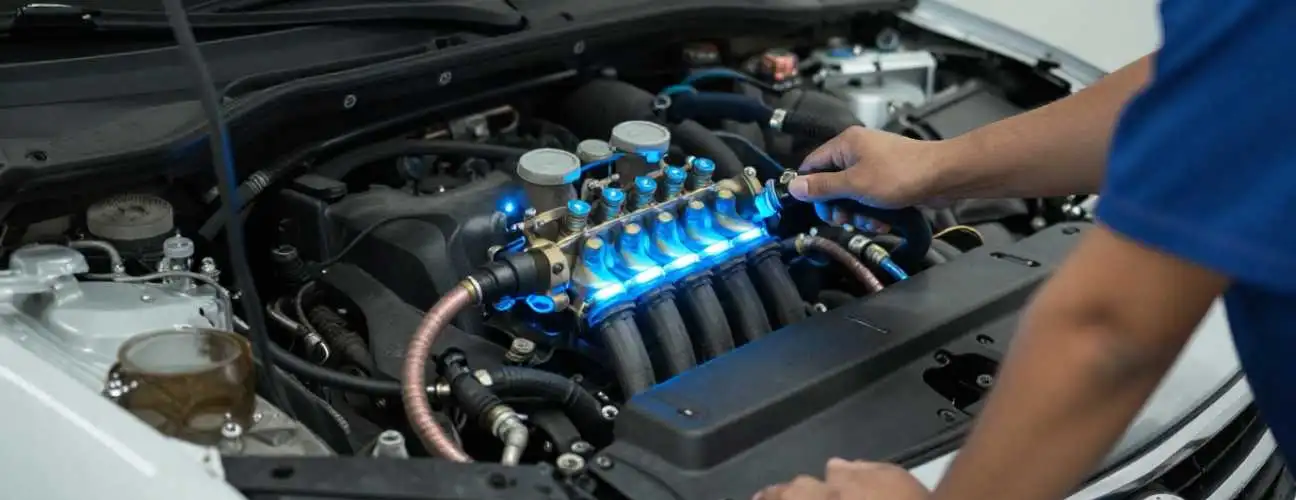
Ever turned on your car’s AC expecting icy relief, only to feel warm air instead? That’s often the first warning sign that your automotive HVAC system isn’t functioning properly. A weak cooling system doesn’t just reduce comfort — it affects concentration, increases fatigue, and compromises safety during long drives or peak summer traffic.
Your car’s air conditioning system is a precision-controlled climate management unit designed to regulate cabin temperature, humidity, and airflow. Understanding early symptoms and addressing performance issues quickly can prevent major repairs and extend system lifespan.
A properly maintained AC system doesn’t just cool — it protects your driving experience.
A vehicle AC system works through controlled refrigerant circulation and heat exchange. It absorbs heat from inside the cabin and releases it outside through a pressurized cycle.
The system depends on several key components working in harmony:
Any imbalance in pressure, airflow, or refrigerant circulation can reduce cooling efficiency.
AC issues usually start small before becoming expensive problems. Watch for these warning signs:
Often caused by low refrigerant levels, pressure imbalance, or early compressor wear.
Moisture buildup inside the evaporator can lead to bacterial growth and mold contamination.
Grinding or clicking sounds may indicate compressor clutch failure, bearing damage, or internal wear.
Short cycling is typically triggered by faulty pressure sensors or electrical issues.
Ignoring these symptoms may lead to full compressor failure.
Short cycling is typically triggered by faulty pressure sensors or electrical issues.
Ignoring these symptoms may lead to full compressor failure.
Understanding root causes helps prevent repeated breakdowns.
Leaks commonly develop from aging seals, loose fittings, or lubrication breakdown. Frequent gas refilling is not normal — it signals a leak.
A seized compressor halts the cooling cycle entirely. Metal contamination inside the system may require full replacement rather than repair.
Road debris and dust reduce airflow, weakening heat dissipation and overall cooling capacity.
Modern automotive HVAC systems rely heavily on electronic pressure switches and sensors. Faulty wiring or blown fuses can disable the system completely.
Professional servicing includes refrigerant recovery, vacuum testing, and accurate pressure calibration.
Most vehicles use either:
If your AC requires frequent gas refills, the issue is usually a hidden leak — not regular consumption.
The compressor is one of the most stressed components in your vehicle because it’s engine-driven and engaged through a clutch mechanism.
Replacing a damaged compressor without flushing the system can lead to repeat failure.
While major repairs require professional tools, you can perform basic inspections:
Avoid DIY refrigerant refilling without proper manifold gauges — incorrect pressure can cause severe damage.
Certified AC technicians use:
Professional diagnostics ensure proper system balance and prevent unnecessary part replacement.
Regular maintenance reduces long-term repair costs and prevents sudden breakdowns.
Consistent care improves cooling performance, protects seals, and reduces strain on the compressor.
This is often due to short cycling caused by pressure sensor issues.
Yes, blocked airflow severely impacts heat exchange efficiency.
No. It usually indicates leaks or seal degradation.
Low refrigerant, poor lubrication, and overheating.
At the first sign of pressure imbalance or unusual noise.