Search Tyre
September 21, 2026
Pirelli vs Bridgestone Tyres: Which One Is Better?
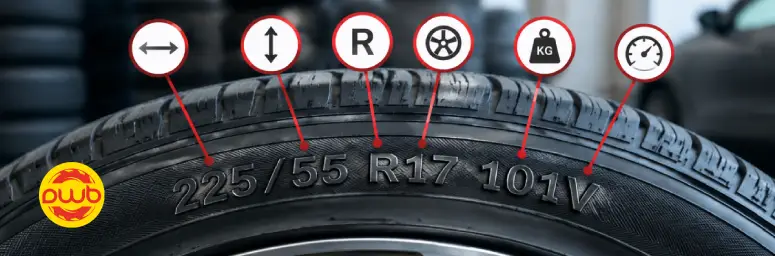
When you look at the sidewall of a tyre, you will find a combination of numbers, letters and symbols. These markings are not random; they show important information about the tyre’s size, construction, load capacity, speed capability and manufacturing date. Learning how to read tyre markings helps you choose tyres that properly fit your vehicle and avoid costly mistakes when replacing them.
For drivers in the UAE, understanding these markings is especially important because tyres operate in high temperatures and demanding road conditions. At DWB Tyres, we help customers select tyres based on vehicle requirements, driving conditions and safety standards.
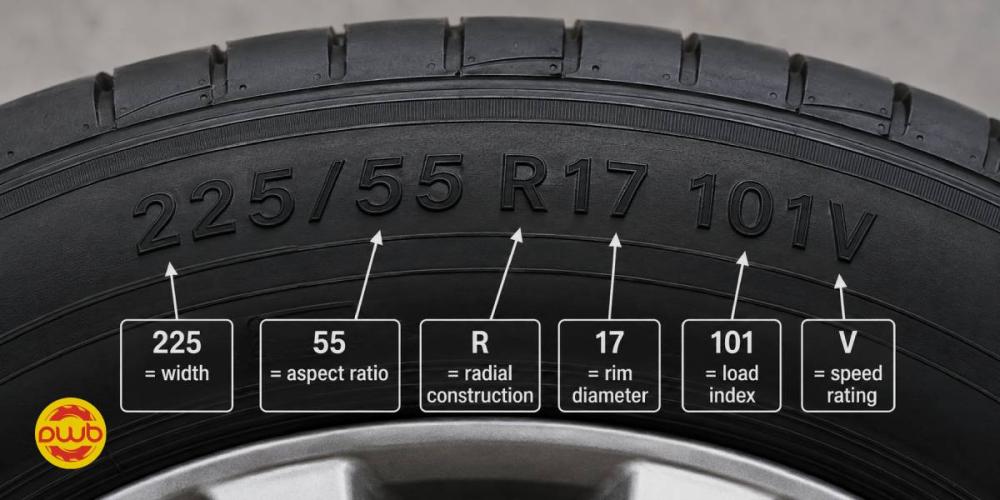
The markings printed on a tyre sidewall provide a complete specification of the tyre. A common example is:
225/55 R17 101V
Each section represents a different part of the tyre specification:
The first number shows the tyre width in millimetres.
In this example:
225 = 225 millimetres wide
This measurement is taken from one sidewall to the other when the tyre is correctly mounted and inflated.
A wider tire does not automatically mean better performance. The correct width depends on your vehicle manufacturer’s recommendation, wheel size and suspension setup.
The second number represents the tyre’s aspect ratio.
It shows the height of the tyre sidewall as a percentage of the tyre width.
For example:
225/55
means the sidewall height is:
55% of 225 mm
A lower aspect ratio usually means a shorter sidewall, which can provide sharper steering response. A higher aspect ratio generally offers more sidewall flexibility and a more comfortable ride.
The letter R indicates that the tire uses radial construction.
Radial tyres are the standard design used on most modern passenger vehicles because the internal cords are arranged across the tyre in a way that improves durability, handling and road contact.
Most tires available today, including passenger car and SUV tyres, use radial construction.
The number after the construction type shows the wheel diameter the tyre is designed to fit.
Example:
R17 = designed for a 17-inch wheel
A tire must always match the correct wheel size. Installing a tire on an unsuitable rim can affect handling, comfort and safety.
Every number and letter in a tyre size code provides specific information about fitment and performance characteristics.
After the tyre size information, you will usually see two additional markings:
Example:
225/55 R17 101V
The number 101 is the tire load index.
The load index shows the maximum weight that one tyre can safely carry when inflated correctly.
For example:
91 = 615 kg per tire
95 = 690 kg per tire
101 = 825 kg per tire
The load index becomes especially important for SUVs, luxury vehicles and larger vehicles that have higher weight requirements.
A tyre with an incorrect load index may not handle the vehicle’s weight properly, even if the size looks correct.
The tyre load index and speed ratings guide helps drivers understand how much weight a tyre can safely carry and why choosing the correct rating matters.
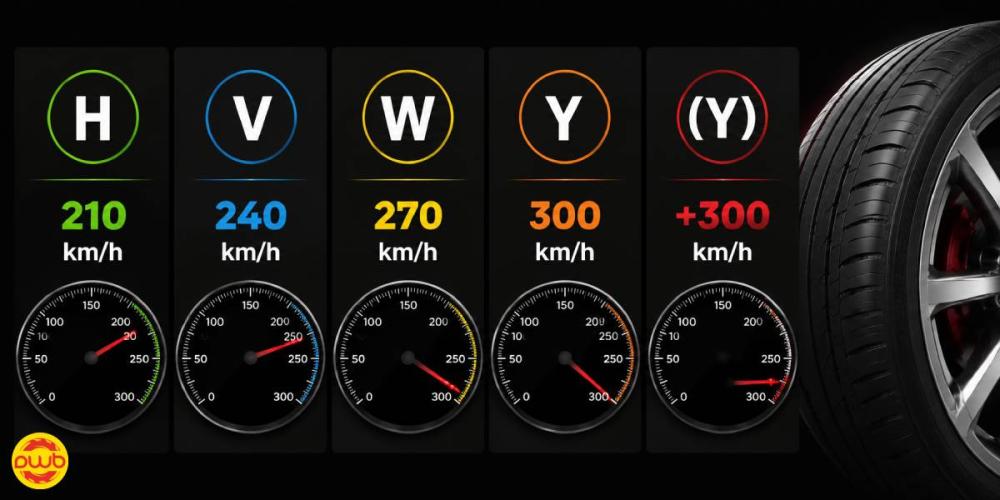
The letter after the load index shows the tire’s speed rating. This rating indicates the maximum speed a tire can safely handle under controlled testing conditions when it carries its specified load.
For example:
225/55 R17 101V
The letter V means the tire has a speed rating of 240 km/h.
The speed rating does not mean you should drive at that speed. It only shows the tire’s tested performance capability and helps ensure the tire matches the requirements of the vehicle.
Common speed ratings include:
Choosing a tire with a lower speed rating than recommended by the vehicle manufacturer can affect handling, stability and safety, especially during highway driving.
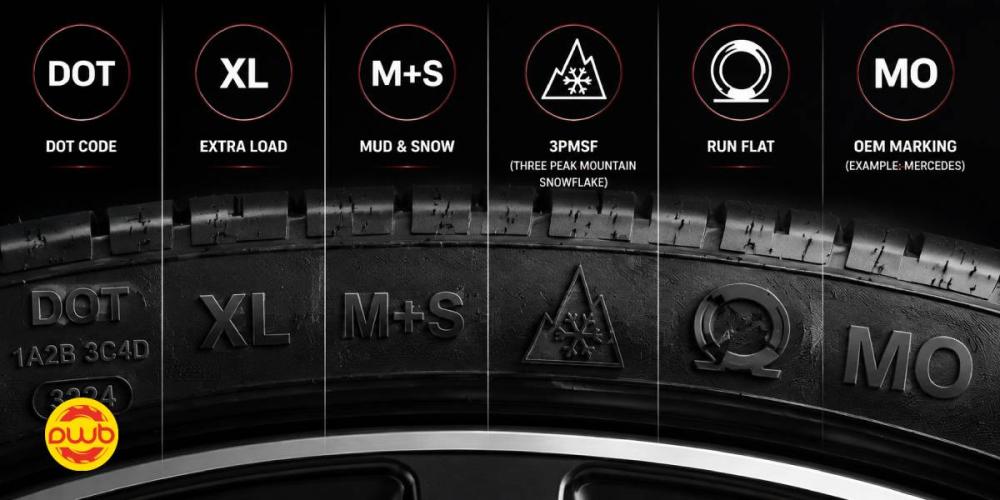
The DOT code is a marking that identifies important manufacturing information about a tire, including where and when it was produced.
You can usually find it on the tire sidewall starting with:
DOT
The most important part for customers is the final four digits.
Example:
DOT XXXXXXX 3224
The last four numbers mean:
So this tire was manufactured in the 32nd week of 2024.
Checking the manufacturing date is important because tires age over time, even when they have not been used. This is especially relevant in hot climates where heat exposure can accelerate rubber aging.
The marking XL means Extra Load.
XL tires are designed to carry higher loads than standard tires of the same size. They usually have reinforced internal construction to handle additional weight and higher inflation pressure.
For example:
A vehicle such as a large SUV, performance sedan or heavily loaded vehicle may require XL tires depending on the manufacturer’s specifications.
However, choosing an XL tire is not always necessary. The correct option depends on your vehicle requirements.
Run flat tires are designed to continue supporting the vehicle for a limited distance after losing air pressure.
Instead of immediately collapsing after a puncture, reinforced sidewalls allow the driver to maintain control and reach a safe location.
Run flat technology is common on many premium vehicles, including BMW, Mercedes-Benz and other performance models.
A run flat tire must be compatible with the vehicle’s wheel and monitoring systems. Replacing a normal tire with a run flat tire, or the opposite, should only be done after checking vehicle requirements.
Read More: Run Flat vs Standard Tyres
Some tires include markings that indicate their intended conditions.
The M+S marking means the tire has been designed with a tread pattern that provides improved performance in mud and light snow conditions.
However, M+S does not necessarily mean the tire is a dedicated winter tire.
The 3PMSF symbol is a mountain and snowflake icon found on tires that meet specific winter performance testing standards.
This marking is more specific than M+S and indicates tested performance in severe snow conditions.
For normal Dubai driving conditions, these markings are usually less important than selecting a tire designed for your vehicle, temperature conditions and road usage.
Some vehicle manufacturers approve specific tires for their models. These tires may include special markings on the sidewall.
Examples:
These markings indicate that the tire was developed or tested according to the requirements of that vehicle manufacturer.
For luxury vehicles, using manufacturer-approved tires can help maintain the expected handling characteristics, especially on performance models.
Dubai and UAE driving conditions create specific challenges for tires. High temperatures, hot road surfaces and long highway distances can increase stress on tires.
When check to buy tire in UAE, pay attention to:
A tire with the correct size can still be unsuitable if it is too old.
Always check the DOT manufacturing date before buying.
SUVs and larger vehicles common in the UAE often require higher load ratings.
A tire that fits physically may still be incorrect if it cannot support the vehicle’s weight.
Many UAE drivers travel regularly on highways. Using the correct speed rating helps maintain stability and handling performance.
Sidewall cracks, uneven wear and damage should be inspected even if the markings appear correct.
A tire specification only tells you what the tire was designed for; it does not show its current condition.
Understanding tire markings is useful, but the numbers and letters only help when they are compared with your vehicle requirements. The correct tire is not simply the one with the same size written on the sidewall. Load capacity, speed rating, tire type and manufacturer recommendations all need to match.
Before buying new tires, check these important points:
For example, a tire marked 225/55 R17 101V may have the correct dimensions, but if your vehicle requires a higher load index or a different specification, it may not be the right choice.
When comparing different options, always follow the vehicle manufacturer’s specifications rather than choosing based only on price or appearance.
If you are comparing different options, our guide on best tires for your vehicle can help you understand which factors matter before making a purchase.
Many drivers check only the tire size and ignore other markings that affect safety and performance. Some common mistakes include. you can avoide this mistakes by choosing a truthworthy car tire service workshop.
A tire can have the same width and rim size but still have a different load index, speed rating or construction type.
The complete tire specification matters, not just the first numbers.
A new-looking tire is not always a new tire.
The DOT code shows when the tire was produced. Checking the manufacturing date is especially important when buying stored inventory or older stock.
A lower load rating may reduce the tire’s ability to safely support the vehicle, especially on SUVs, luxury cars and vehicles carrying heavier loads.
A higher speed rating is not automatically the best choice for every vehicle.
The correct rating depends on the vehicle design, driving conditions and manufacturer specifications.
When replacing a single damaged tire, the new tire should match the remaining tires as closely as possible in size, load index, speed rating and overall specification.
Tires in the UAE operate in some of the most demanding conditions because of high temperatures, hot road surfaces and long-distance highway driving.
When buying tires in Dubai, checking the sidewall markings becomes even more important.
Our team can help you select tires based on your vehicle specification, driving conditions and safety requirements.
High temperatures can accelerate rubber aging. Always check the DOT manufacturing date before installation, especially when buying tires that have been stored for a long period.
Vehicles such as Toyota Land Cruiser, Nissan Patrol, Range Rover and other large SUVs are common in the UAE. These vehicles often require tires with higher load capacities.
Incorrect tire pressure can increase wear, reduce fuel efficiency and affect handling. Always follow the recommended pressure from the vehicle manufacturer.
A tire suitable for city driving may not provide the same performance during long highway journeys. Consider your driving habits before selecting a tire.