Why Are My Tyres Making Noise? Tyre Noise Causes and Fixes
Search Tyre
Jul 28, 2026
Why Are My Tyres Making Noise? Tyre Noise Causes and Fixes
Tyre noise may come from the tread pattern or road surface, but a new humming, thumping, clicking or grinding sound can indicate incorrect pressure, uneven wear, poor wheel balance, misalignment, tyre damage or a worn vehicle component. A professional inspection from DWB Tyres can identify the exact cause.
Some rolling noise is normal, especially on rough roads or at higher speeds. However, a sound that suddenly appears, becomes louder or comes with vibration should not be ignored.
What Does Each Tyre Noise Mean?
The type of sound can help narrow down the problem, but it should not replace a proper inspection.
Tyre Noise Diagnosis at a Glance
Match the sound with its common causes and ask the garage to inspect the related tyre or vehicle components.
Common Tyre Sounds
Humming or Roaring Tread design, uneven wear, hardened rubber or a wheel bearing.
Rhythmic Thumping A flat spot, cupping, wheel imbalance or internal tyre damage.
Clicking or Ticking A stone, nail, screw or other object trapped in the tread.
Sounds Requiring Inspection
Squealing When Turning Incorrect pressure, poor alignment or aggressive cornering.
Noise with Vibration Wheel imbalance, a bent rim or a damaged tyre structure.
Grinding or Scraping A brake, wheel bearing or brake dust shield problem.
These sounds provide useful clues, but several faults can create similar noise. A road test and physical inspection are required for an accurate diagnosis.
What Causes Loud Tyre Noise?
Incorrect Tyre Pressure
Underinflation can increase noise from the tyre shoulders, while excessive pressure can make the tyre transmit more road impact into the cabin. Check the tyres when cold and use the pressure shown on the driver’s door label or vehicle manual, not the maximum figure printed on the tyre sidewall.
Uneven Tyre Wear
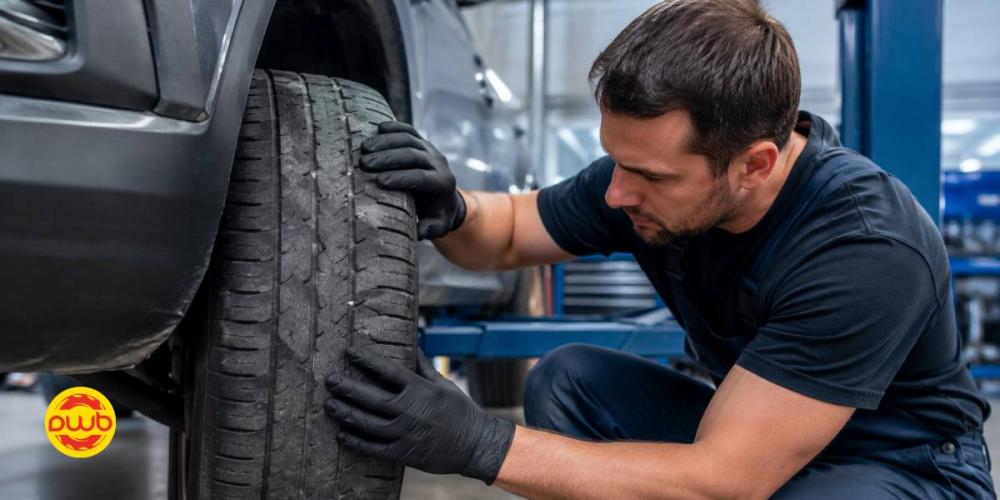
Cupping, feathering and one-sided wear create an inconsistent contact surface, producing humming or thumping. Use this guide to check your tyre tread at home, but have unusual wear professionally diagnosed.
Wheel Imbalance or Misalignment
Wheel imbalance normally causes vibration that becomes noticeable within a particular speed range. Misalignment is more likely to cause pulling, an off-centre steering wheel or uneven tread wear. The garage should inspect both wheel alignment and balancing.
Tyre Damage
A pothole or kerb impact can cause a flat spot, bulge, belt separation or bent wheel. A repeated thump that matches wheel speed should be inspected immediately, particularly when it is accompanied by vibration.
Tyre Design, Age and Road Surface
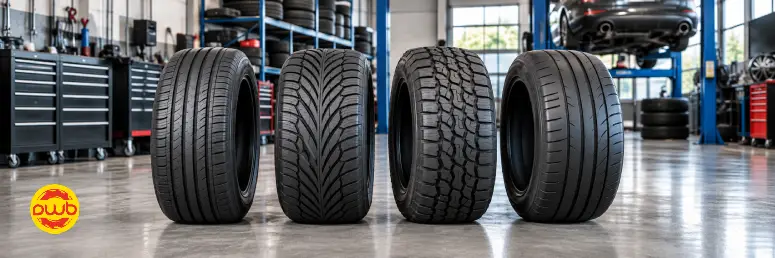
Wide, low-profile and off-road tyres can naturally produce more noise. Worn or hardened rubber may also become louder, while rough concrete normally creates more road noise than smooth asphalt.
Wheel Bearing, Suspension or Brake Problems
Not every sound near a wheel comes from the tyre. Worn bearings can create a continuous hum, while damaged suspension components may cause tyre cupping. Grinding or scraping may come from the brakes or dust shield. These parts can be examined through a car suspension repair in uae.
How Can You Tell Tyre Noise from Wheel Bearing Noise?
Tyre noise often changes when the car moves from smooth asphalt to a rougher surface. Wheel-bearing noise usually increases steadily with road speed and may change during a gentle left or right turn as the load moves between the wheels.
This is only a diagnostic clue. Tyre wear and wheel-bearing faults can sound similar, so the vehicle should be road-tested and inspected before parts are replaced.
What Should a Garage Check?
Ask the technician to inspect:
The speed and road surface at which the noise appears.
Start by correcting the pressure and removing any objects trapped in the tread. Depending on the diagnosis, the vehicle may then need tyre balancing, alignment, rotation, suspension repair or wheel-bearing replacement.
A tyre with a bulge, structural damage or severe uneven wear should be replaced rather than repeatedly repaired. When replacement is needed, choose the correct size and specification from the available buy car tyres online.
Is Your Car Making an Unusual Tyre Noise?
Contact DWB Tyres for a tyre, wheel and suspension inspection before the noise develops into a larger safety or repair problem.
Stop driving when the noise comes with a tyre bulge, rapid pressure loss, strong vibration, unstable steering or a sudden heavy thump. Grinding, scraping or a sound that quickly becomes worse also requires prompt inspection.
Do not replace parts based only on the sound. A garage should first determine whether the cause is the tyre, wheel, bearing, brake or suspension.
Frequently Asked Questions About Tyre Noise
Quick answers to common questions about noisy car tyres.
Why do my tyres make a humming noise?
Humming can be caused by the tread pattern, rough roads, uneven wear or a worn wheel bearing. If the noise is new or becomes louder with speed, have the tyres and wheel bearings inspected.
Can low tyre pressure cause noise?
Yes. Low pressure changes how the tyre contacts the road and can increase shoulder noise, heat and wear. Check the tyres when cold and use the vehicle manufacturer’s recommended pressure.
Can wheel alignment cause tyre noise?
Poor alignment can create feathering or one-sided wear, which may produce humming or roaring. Alignment corrects the cause, but a tyre that is already badly worn may remain noisy.
How can I tell tyre noise from wheel-bearing noise?
Tyre noise often changes with the road surface. Bearing noise usually rises with speed and may change during gentle turns. A road test and bearing inspection are needed to confirm the cause.
Is a thumping tyre noise dangerous?
It can be. Repeated thumping may indicate a flat spot, severe cupping, wheel imbalance or internal tyre damage. Stop driving if it comes with strong vibration, a bulge or unstable steering.
 Search Tyre