Search Tyre
September 16, 2026
Best Cheap Tires in 2026
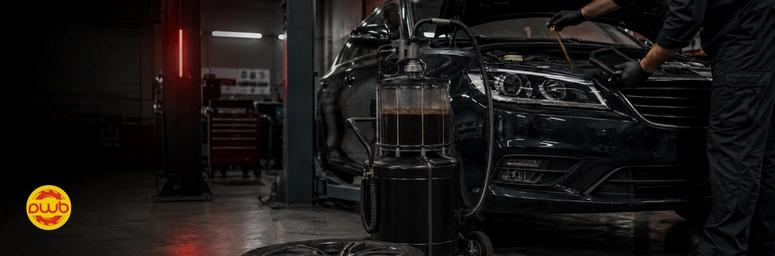
If you delay car service, your vehicle may gradually become less safe, less efficient and more expensive to repair. A missed service appointment does not always mean your car will break down immediately, but small maintenance issues can develop into serious problems when they are ignored. Old engine oil may lose its ability to protect internal components, worn brake pads can damage other braking parts, and low fluid levels may affect important systems. In some cases, delaying maintenance can also lead to poor fuel economy, reduced performance or an unexpected breakdown.
What Happens If You Delay Car Service depends on how long the service is overdue, the condition of the vehicle and the type of maintenance required. Delaying an oil change for a short period may not cause immediate damage, while ignoring warning signs for several months can create much higher repair costs. Routine car service is designed to identify problems before they affect your safety or leave you stranded on the road.
This guide explains the main consequences of delaying car service and the warning signs that should not be ignored. It will help you understand which maintenance issues require immediate attention and why regular servicing is an important part of responsible car ownership.
Regular maintenance helps identify wear before it affects your vehicle’s safety, performance or repair costs. The exact service interval may vary depending on the vehicle model, mileage, driving conditions and manufacturer recommendations.
| Car Part or Service | Typical Service Interval | Warning Signs | Why It Matters |
|---|---|---|---|
| Engine Oil and Filter | Every 5,000 to 15,000 km or every 6 to 12 months | Dark oil, engine noise, oil warning light or poor performance | Reduces friction and protects important engine components |
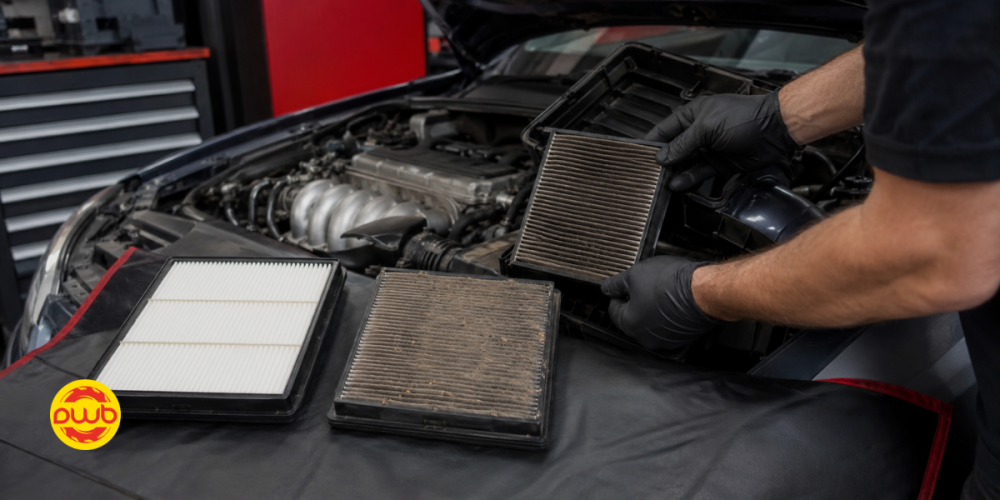
| Engine Air Filter | Usually every 20,000 to 40,000 km | Reduced acceleration, increased fuel consumption or a dirty filter | Helps the engine receive clean and sufficient airflow |
| Cabin Air Filter | Usually every 15,000 to 30,000 km or once a year | Weak airflow, unpleasant smells or dusty air inside the cabin | Supports cleaner air and better air conditioning performance |
| Brake Pads and Discs | Inspect during every service; replacement depends on wear | Squeaking, grinding, vibration or reduced braking power | Maintains safe stopping performance and prevents further brake damage |
| Coolant and Cooling System | Check regularly; replacement often takes place every 2 to 5 years | Overheating, low coolant level or visible leaks | Helps control engine temperature and prevent overheating |
| Transmission Fluid | Commonly every 40,000 to 100,000 km, depending on the vehicle | Hard shifting, slipping gears or unusual transmission noises | Lubricates transmission components and supports smooth gear changes |
| Tyres and Wheel Alignment | Check tyre pressure monthly; inspect rotation and alignment regularly | Uneven tread wear, vibration, pulling or low tyre pressure | Improves road grip, handling, tyre life and driving safety |
| Battery | Test annually; many batteries last around 3 to 5 years | Slow starting, dim lights or repeated battery failure | Ensures reliable starting and stable electrical performance |
| Timing Belt | Replace according to the manufacturer’s mileage or age limit | Visible belt wear, unusual engine noise or starting problems | Prevents serious engine damage caused by belt failure |
Important: These intervals are general guidelines. Always check your vehicle’s owner’s manual and speak with a qualified technician for the correct service schedule.
Understanding when each part of your vehicle needs attention is one of the best ways to avoid the problems explained above. The exact schedule depends on the make, model, mileage and driving conditions, so the owner’s manual should always be the main reference. In general, engine oil and the oil filter are usually replaced every 5,000 to 15,000 kilometres, depending on the oil type and manufacturer recommendation. The engine air filter often needs replacement between 20,000 and 40,000 kilometres, while the cabin air filter may need changing every 15,000 to 30,000 kilometres or once a year.
Brake components should be inspected during every routine service. Brake pads do not have one fixed replacement interval because their lifespan depends on driving habits, traffic and vehicle weight. Coolant is commonly checked at every service and replaced according to the manufacturer’s schedule, often after two to five years. Transmission fluid may require attention between 40,000 and 100,000 kilometres, although some vehicles have longer intervals.
Tyre pressure should be checked monthly, with tyre rotation and alignment inspected when recommended or when uneven wear appears. The battery should also be tested regularly, especially after three years of use. Timing belts must be replaced strictly within the manufacturer’s mileage or age limit.
Delaying car service can allow these intervals to pass unnoticed. Completing each car Service in Abu Dhabi early or on time helps detect wear before it becomes a safety issue or a costly repair.
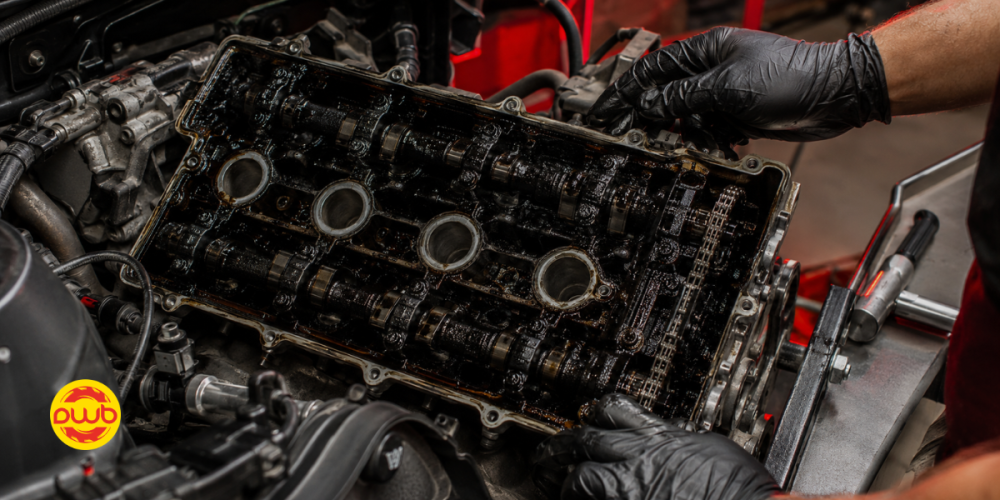
To understand What Happens If You Delay Car Service, it is important to look at the damage that can develop over time. Delayed engine oil changes may allow sludge and friction to build up, increasing wear on internal components and potentially causing serious engine damage. If the cooling system is not checked, low coolant or a damaged hose can lead to overheating, which may affect the head gasket or other major engine parts.
Brake problems can also become more expensive when ignored. Worn brake pads may damage the discs, while reduced brake fluid or a leaking component can affect stopping performance. Delaying transmission service may contribute to harsh gear changes, overheating or premature internal wear. In some vehicles, failing to replace a timing belt within the recommended interval can result in belt failure and severe engine damage.
Tyres should not be overlooked either. Incorrect pressure, poor alignment and uneven tread wear can reduce grip and shorten tyre life. The National Highway Traffic Safety Administration and vehicle manufacturers both stress the importance of regular checks, correct tyre pressure and following the maintenance schedule provided for the vehicle.
These risks do not mean that every late service will immediately cause a major failure. However, delaying car service increases uncertainty and gives minor faults more time to develop. A qualified technician can identify these issues through inspections, fluid checks, diagnostic testing and service records, helping the owner make a reliable decision before repair costs become much higher.
Contact DWB Tyres for a professional brake inspection and clear advice based on the condition, thickness and wear level of your brake discs.
After understanding the damage that delayed maintenance can cause, prevention becomes much easier. The first step is to follow the service schedule in your owner’s manual instead of waiting for a warning light or unusual noise. Keep a simple record of oil changes, filter replacements, brake inspections and fluid checks. This makes it easier to know what has already been completed and what is due next.
Drivers should also pay attention to small changes in the way their vehicle feels. Reduced braking performance, unusual vibrations, difficulty starting, strange smells and changes in fuel consumption should be checked rather than ignored. These signs do not always indicate a major fault, but early inspection can prevent a minor issue from becoming an expensive repair.
Booking a Car Oil Change Service in Abu Dhabi before the recommended mileage or date can also help protect the engine and keep maintenance on schedule. Fresh engine oil reduces friction, supports smoother operation and helps prevent excessive wear. It is also useful to choose a qualified service centre, ask for a clear explanation of any recommended repair and keep a copy of the inspection report.
Regular tyre pressure checks, fluid inspections and timely replacement of worn parts can make daily driving safer and more comfortable. A small maintenance cost is usually easier to manage than an unexpected breakdown. With a clear service record and quick attention to warning signs, car owners can protect their vehicle’s performance and reduce unnecessary stress on the road.
The main lesson is simple. Delaying car service may not cause an immediate breakdown, but it can allow small problems to grow into safety risks, poor performance and expensive repairs. Engine oil, brakes, filters, fluids, tyres and timing components all require attention at the correct time. Following the maintenance schedule helps protect these systems and allows a qualified technician to identify wear before it becomes serious.
What Happens If You Delay Car Service depends on the age of the vehicle, its mileage, driving conditions and the type of maintenance that has been missed. There is no single result for every car, which is why professional inspection and the manufacturer’s recommendations are more reliable than general assumptions.
If your vehicle is overdue for service, arrange an inspection as soon as possible and explain any warning signs you have noticed. Keep your service records, check tyre pressure and fluid levels, and do not ignore unusual sounds or changes in performance. For tyre inspections, replacements and related maintenance support, DWB Tyres can help drivers keep their vehicles safer and more reliable. Regular maintenance protects your car, reduces unexpected costs and gives you greater confidence on the road.
Delaying car service can lead to reduced performance, poor fuel economy, increased wear and unexpected breakdowns. Small issues may also become more expensive repairs when they are ignored for too long.
The safe delay depends on the vehicle, mileage and type of service that is overdue. A short delay may not cause immediate damage, but it is best to arrange an inspection as soon as possible.
Yes. Old engine oil may lose its ability to reduce friction and protect internal components. Continuing to drive with degraded oil can increase engine wear, sludge formation and the risk of costly damage.
Warning signs include unusual noises, reduced braking performance, dashboard warning lights, overheating, difficulty starting, fluid leaks, vibrations and sudden changes in fuel consumption.
Yes. Ignoring a worn part can allow it to damage connected components. For example, worn brake pads may damage brake discs, while low coolant can contribute to overheating. Regular inspections help control costs.