Search Tyre
September 21, 2026
Pirelli vs Bridgestone Tyres: Which One Is Better?
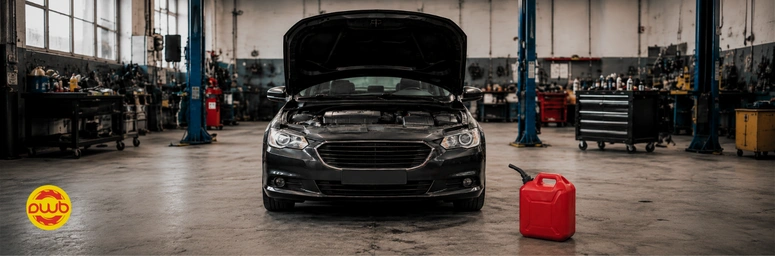
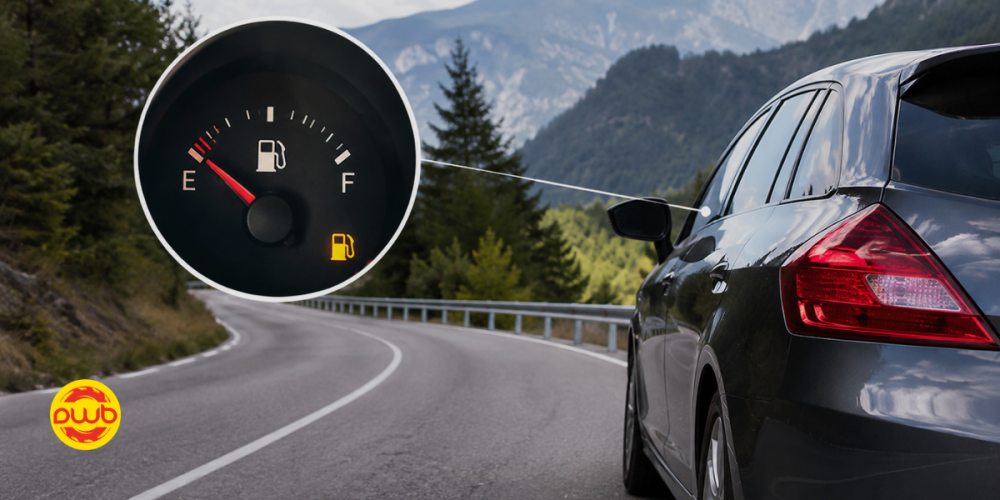
If you notice your car using more fuel than it normally does, start by checking three areas: engine performance, tyre pressure, and engine oil condition. Problems in any of these areas can make the vehicle work harder than necessary and reduce fuel efficiency. A sudden increase in fuel consumption is more likely to point to an engine, sensor, ignition, or tyre-related problem, while a gradual change can also be linked to neglected maintenance. The important point is to compare your current fuel use with the car’s normal pattern rather than relying on one unusually short or congested trip.
Engine performance is one of the first things worth checking when a car is using more fuel. Worn spark plugs, faulty oxygen or airflow sensors, fuel injector problems, or incomplete combustion can cause the engine to burn more fuel while producing the same amount of power. You may also notice weaker acceleration, rough idling, hesitation, or a warning light on the dashboard.
Tyres can affect consumption without causing an obvious mechanical warning. When tyre pressure is too low, rolling resistance increases and the engine needs more energy to keep the car moving. Engine oil also matters. Oil that is overdue for replacement or does not meet the manufacturer’s recommended specification can increase internal resistance and reduce efficiency. Checking these three areas provides a practical starting point for finding the reason behind higher fuel consumption before replacing parts unnecessarily.
| Possible Cause | How It Affects Fuel Use |
|---|---|
| Engine Problems | Poor combustion or faulty sensors can cause the engine to use more fuel than necessary. |
| Low Tyre Pressure | Higher rolling resistance forces the engine to work harder while driving. |
| Old Engine Oil | Old or incorrect oil can increase friction and reduce engine efficiency. |
| Dragging Brakes | Brake resistance makes the vehicle harder to move and can increase fuel consumption. |
| Driving Habits | Hard acceleration, high RPM and long idling periods can noticeably increase fuel use. |
When a car starts consuming more fuel, the cause is rarely just “bad fuel economy.” In practice, higher consumption usually comes from one of three areas: the engine is no longer running efficiently, the tyres are creating extra resistance, or routine maintenance has been delayed. Looking at how the car behaves alongside the increase in fuel use can often narrow down the likely cause before any parts are replaced.
Engine-related issues are usually the first area to investigate. Worn spark plugs can weaken combustion, while a faulty oxygen sensor or mass airflow sensor may send incorrect information to the engine control unit. Dirty fuel injectors can also affect how fuel is delivered into the cylinders. In these situations, a Car Using More Fuel may also show symptoms such as rough idling, slower acceleration, hesitation, misfiring, or a check engine light.
Tyre condition is another common factor. Low tyre pressure increases rolling resistance, forcing the engine to work harder even during normal driving. Poor wheel alignment or heavily worn tyres can create a similar effect and may also cause uneven tyre wear or steering problems.
Maintenance should not be overlooked either. Old engine oil, an incorrect oil grade, a restricted air filter, dragging brakes, or overdue servicing can gradually reduce efficiency. If the cause is not obvious, booking a professional car service in Dubai can help identify whether the increased fuel consumption is coming from the engine, tyres, brakes, or another maintenance issue. Checking these systems together is more reliable than assuming one component is responsible, as the pattern of symptoms usually provides a better clue than fuel consumption alone.
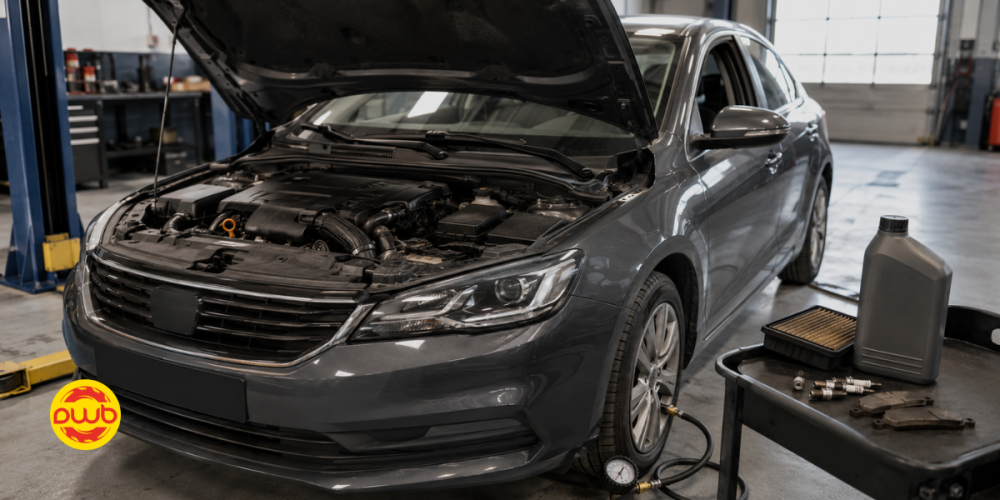
When a Car Using More Fuel comes into the workshop, the first step should not be replacing expensive parts. In many cases, the cause is something small that can be checked quickly. Tyre pressure is one of the easiest places to start. The correct pressure should match the vehicle manufacturer’s recommendation, usually shown on the driver-side door label or in the owner’s manual. Even slightly underinflated tyres can increase rolling resistance and make the engine work harder.
The next practical check is engine oil. If the oil level is low, the oil is overdue for replacement, or the wrong viscosity has been used, engine efficiency can suffer. The recommended oil grade should always be confirmed against the manufacturer’s specification rather than chosen by guesswork.
A dirty air filter is another simple issue worth inspecting before looking for more serious engine faults. If airflow is restricted, the engine may not operate as efficiently as expected. Brake resistance should also be checked. A sticking brake caliper can create constant drag even when the driver is not pressing the brake pedal.
From experience, these basic checks are worth completing before moving to fuel injectors, oxygen sensors, ignition components, or more extensive engine repairs. If a Car Using More Fuel returns to normal after correcting tyre pressure, replacing overdue oil, or fixing a minor maintenance issue, unnecessary repair costs can be avoided. When these checks do not explain the increase, diagnostic testing can then be used to investigate sensors, combustion, and fuel delivery more accurately.
Contact DWB Tyres for a professional inspection to find out what may be affecting your car’s fuel efficiency.
Preventing higher fuel consumption usually comes down to keeping the car in good condition and noticing small changes before they become expensive problems. If you want to avoid a Car Using More Fuel than normal, start with simple habits such as checking tyre pressure regularly, following the correct oil change interval, and using the engine oil grade recommended by the manufacturer. These basic checks reduce unnecessary resistance and help the engine operate efficiently.
Routine servicing also plays an important role. Air filters, spark plugs, fuel injectors, and other service items should be inspected at the recommended intervals rather than only after the car develops a noticeable problem. A partially blocked air filter or worn spark plugs may not stop the vehicle from running, but they can gradually affect performance and fuel economy. If these checks point to a deeper engine-related issue, a professional Car Engine Repair in Abu Dhabi service can help identify problems with ignition, sensors, fuel delivery, or engine performance before they become more serious.
Driving style matters as well. Frequent hard acceleration, unnecessary high engine speeds, long periods of idling, and carrying excessive weight can all increase fuel use. Maintaining a steady speed where traffic conditions allow and avoiding aggressive acceleration can make a noticeable difference over time.
It is also useful to monitor your normal fuel consumption. If the same amount of fuel suddenly covers significantly fewer kilometres without a clear change in driving conditions, do not ignore it. A Car Using More Fuel can sometimes be an early sign of low tyre pressure, brake drag, sensor problems, or declining engine efficiency. Addressing these smaller issues early can help maintain fuel economy and reduce the chance of more extensive repairs later.
If you notice your Car Using More Fuel than before, start with the simple and common causes before assuming there is a serious mechanical problem. Tyre pressure, engine oil condition, air filters, brake resistance, spark plugs, and basic engine performance can all affect how efficiently the car uses fuel.
Regular maintenance and paying attention to small changes in the way the vehicle drives can prevent many of these problems. A sudden drop in fuel economy, weaker acceleration, unusual engine behaviour, or noticeably shorter driving distance from the same amount of fuel should be treated as useful warning signs rather than ignored.
The key points to remember are:
Keep tyre pressure at the manufacturer’s recommended level.
Change engine oil and filters at the correct intervals.
Avoid delaying routine servicing.
Monitor changes in fuel consumption over several trips.
Have the engine, brakes, and fuel system inspected if consumption remains unusually high.
A Car Using More Fuel does not automatically mean an expensive repair is needed. In many cases, identifying a small maintenance issue early is enough to restore normal efficiency. If the cause is not clear after the basic checks, a professional inspection at DWB Tyres can help determine whether the problem is related to the tyres, brakes, engine performance, or another maintenance issue before it develops into a more costly repair.
Common questions drivers ask when their car suddenly starts using more fuel than normal.
A sudden increase can be linked to low tyre pressure, engine sensor problems, worn spark plugs, fuel injector issues, dragging brakes or other changes affecting engine efficiency. If your driving habits and usual routes have not changed, the vehicle should be inspected to identify the cause.
Yes. Underinflated tyres create more rolling resistance, which means the engine has to work harder to keep the vehicle moving. Checking tyre pressure regularly and keeping it at the manufacturer’s recommended level can help maintain normal fuel efficiency.
Yes. Some problems can affect fuel economy before a warning light appears. Worn spark plugs, dirty injectors, restricted airflow or minor sensor issues may gradually reduce engine efficiency. Changes such as rough idling, weak acceleration or hesitation can provide additional clues.
Old oil or an incorrect oil grade can increase internal resistance and reduce engine efficiency. Engine oil should be changed at the recommended interval and the viscosity specified by the vehicle manufacturer should be used.
Consider an inspection when fuel consumption remains noticeably higher over several trips, particularly if it is accompanied by poor acceleration, rough running, unusual smells, brake resistance or a dashboard warning light. Checking the problem early can help prevent unnecessary fuel costs and more extensive repairs.